Department of
Connecting the world through innovation and technology
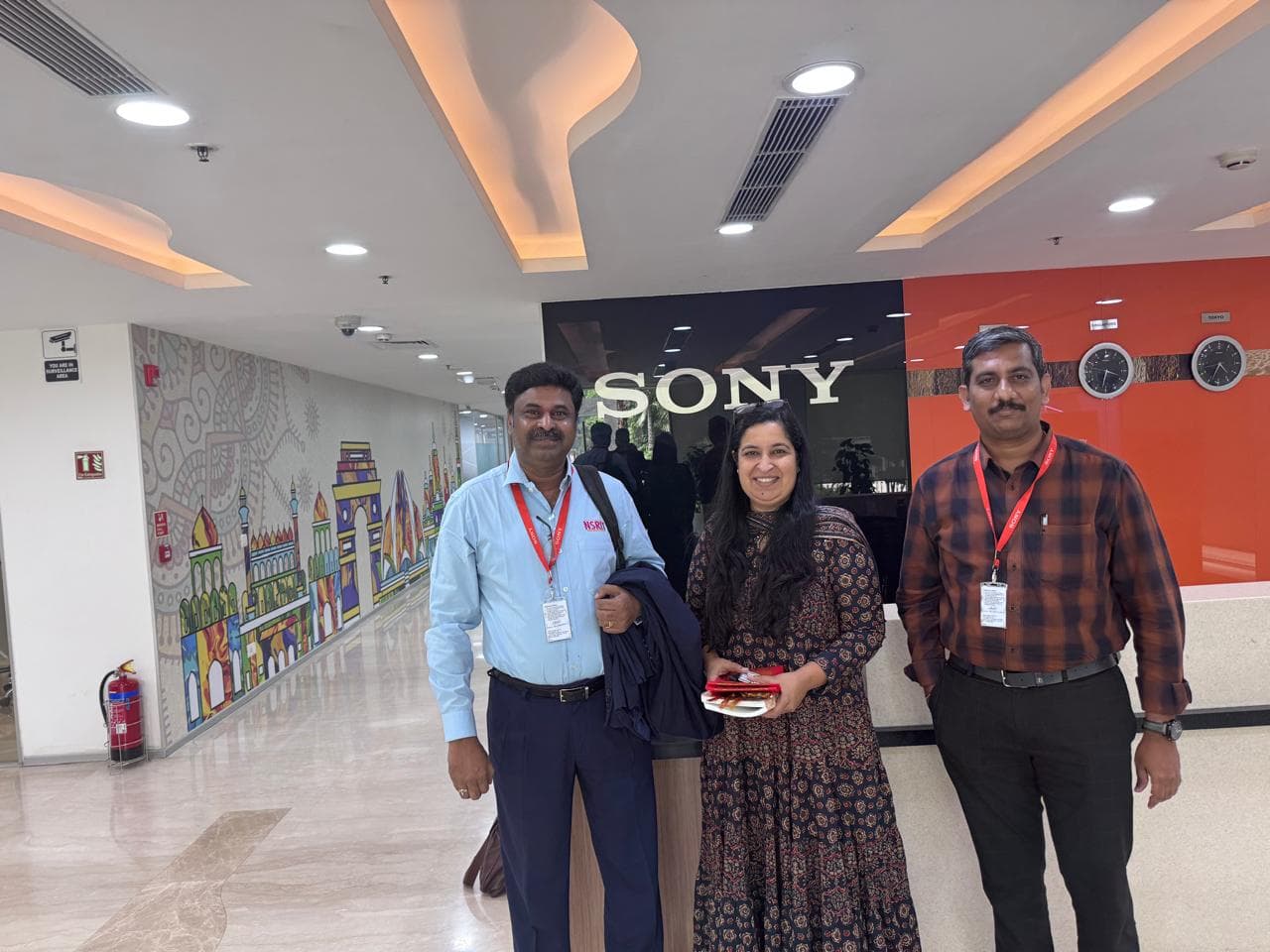
Future-ready curriculum, outcome-based learning, and partnerships with leading technology companies empower NSRIET students to innovate confidently and lead the next wave of digital transformation.
Program Duration
4 years (8 semesters)
Intake
120 students
Approvals
AICTE And JNTU GV
The Electronics & Communication Engineering program at NSRIET is designed to develop skilled professionals who can solve real-world engineering problems. Students gain expertise in electronics, communication systems, and embedded technologies while working on industry-relevant projects and research initiatives.
To be a leading department recognized for excellence in Electronics and Communication Engineering through innovation, competency, and social responsibility.
Outcome-based curriculum covering core computing, emerging tech electives, and interdisciplinary pathways. Download the detailed syllabus and course outcomes below.
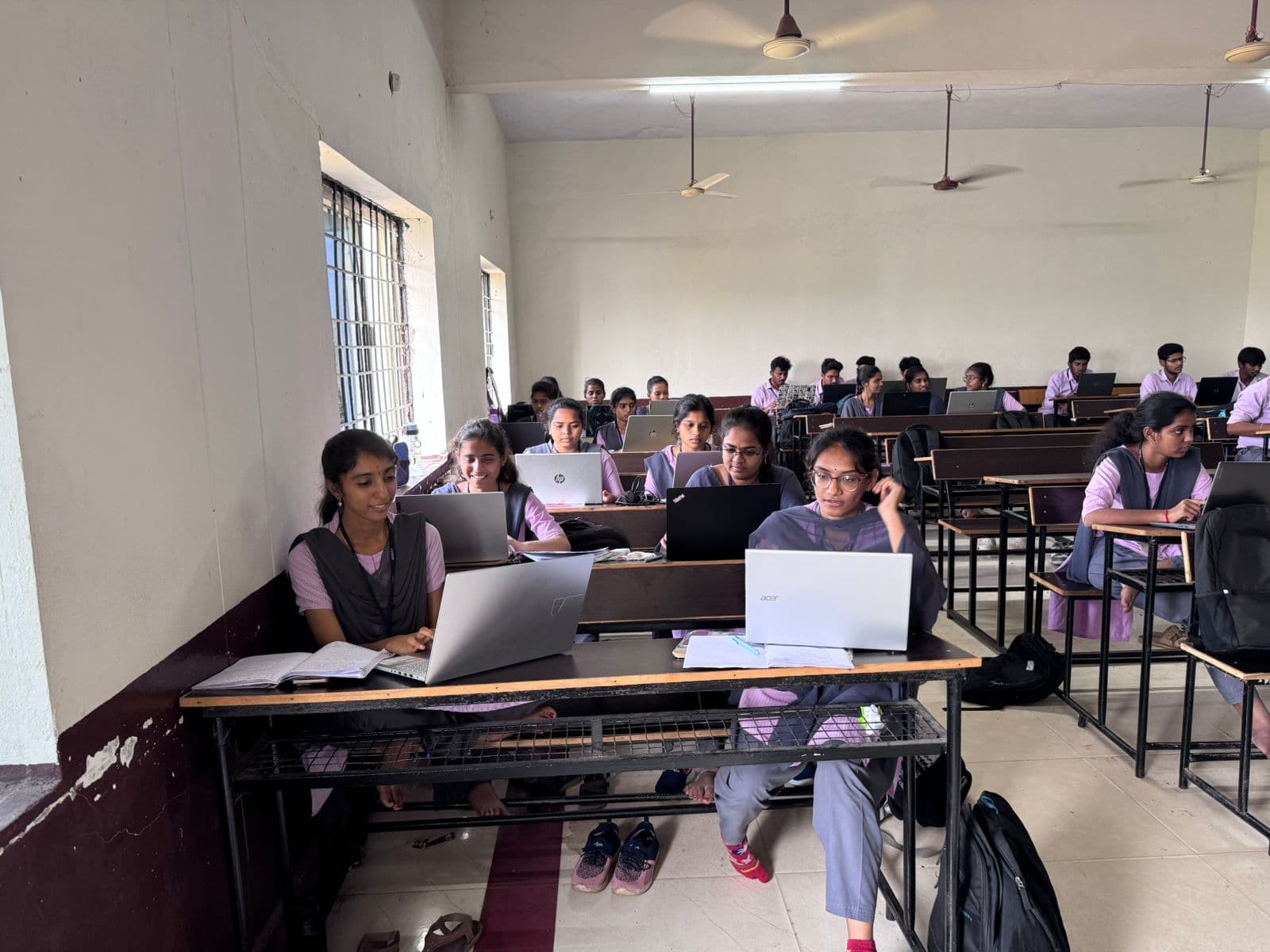
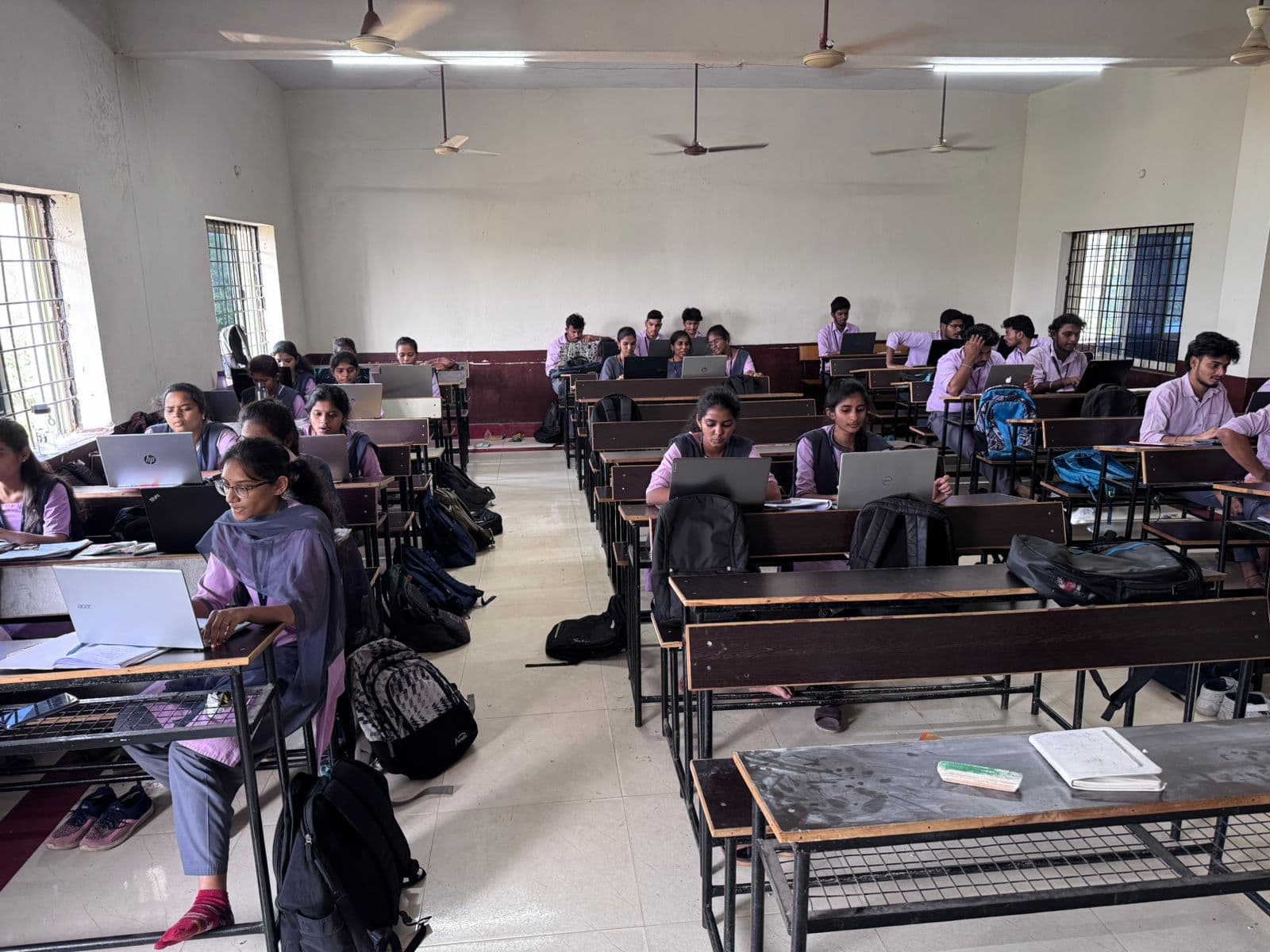
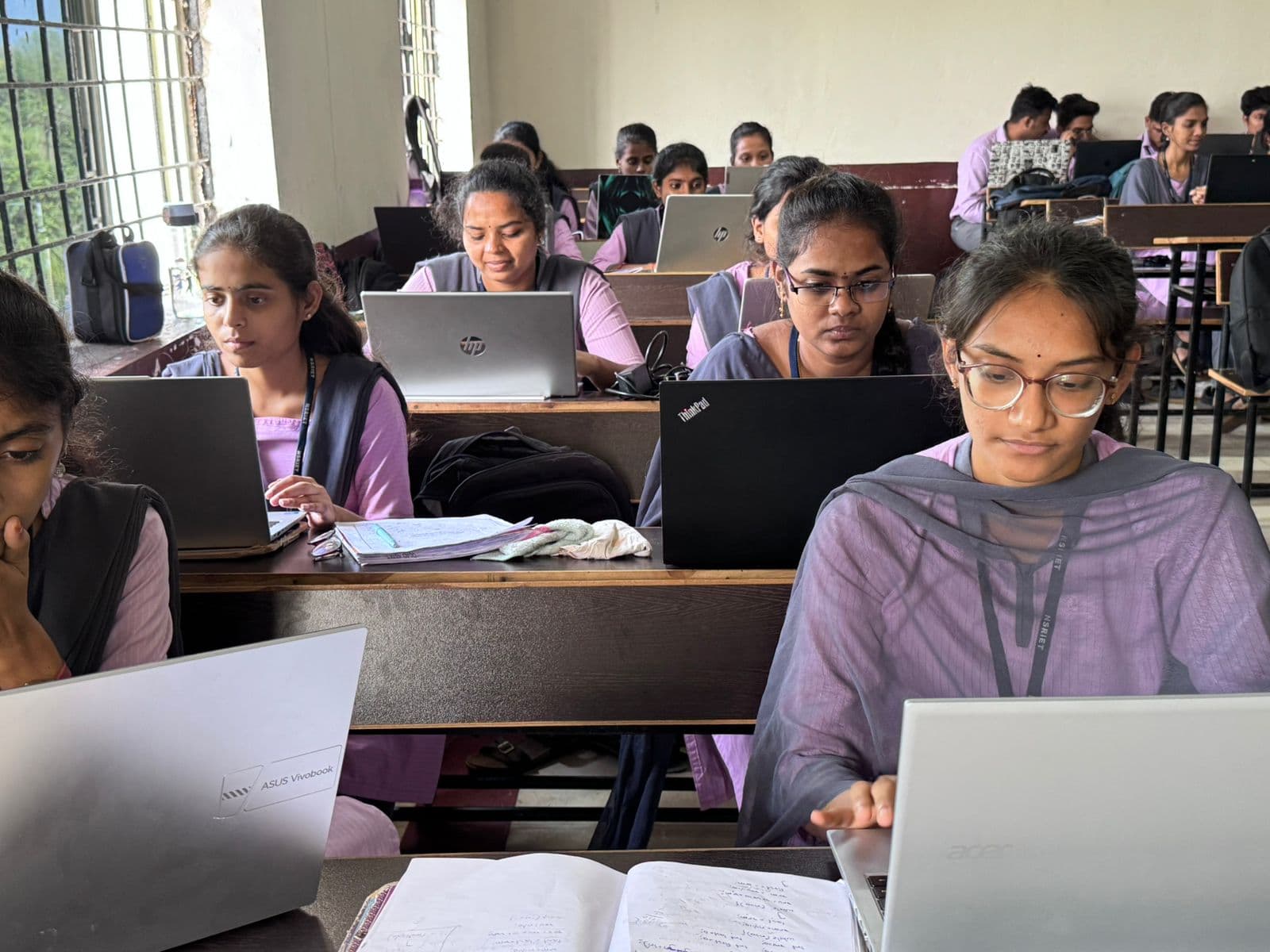
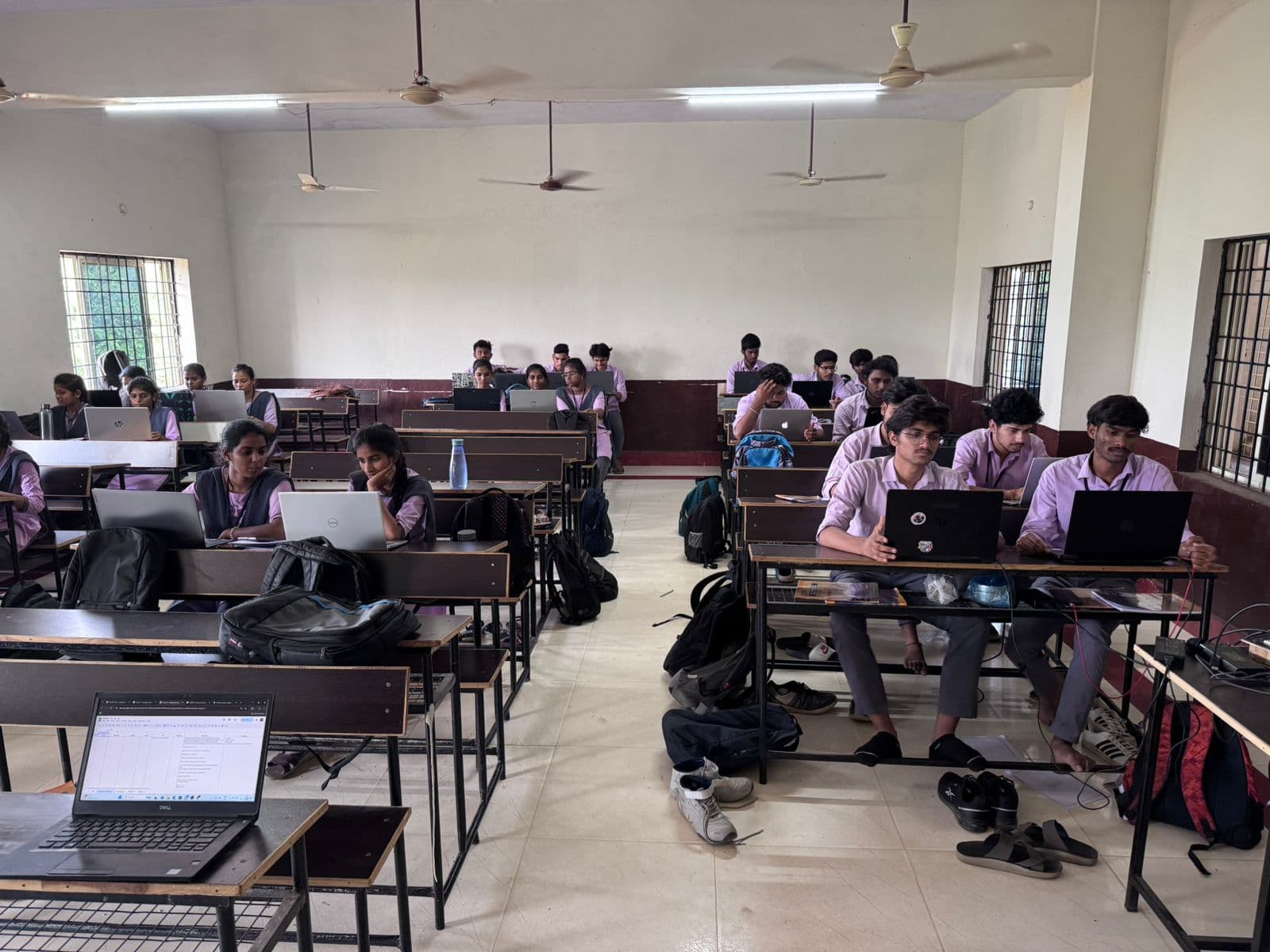
The department follows an activity-rich calendar with assessments, workshops, internships, and hackathons mapped semester-wise.
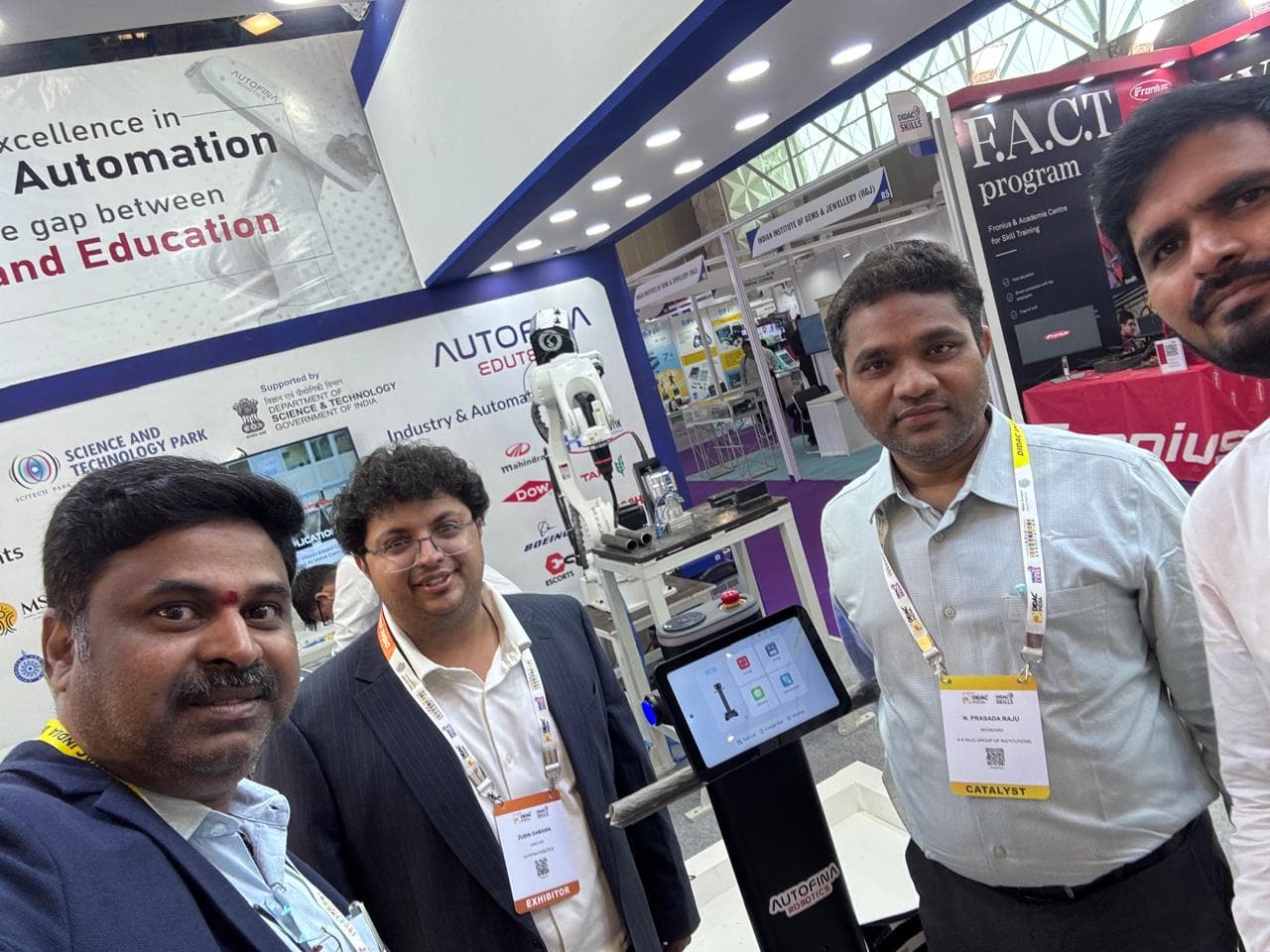
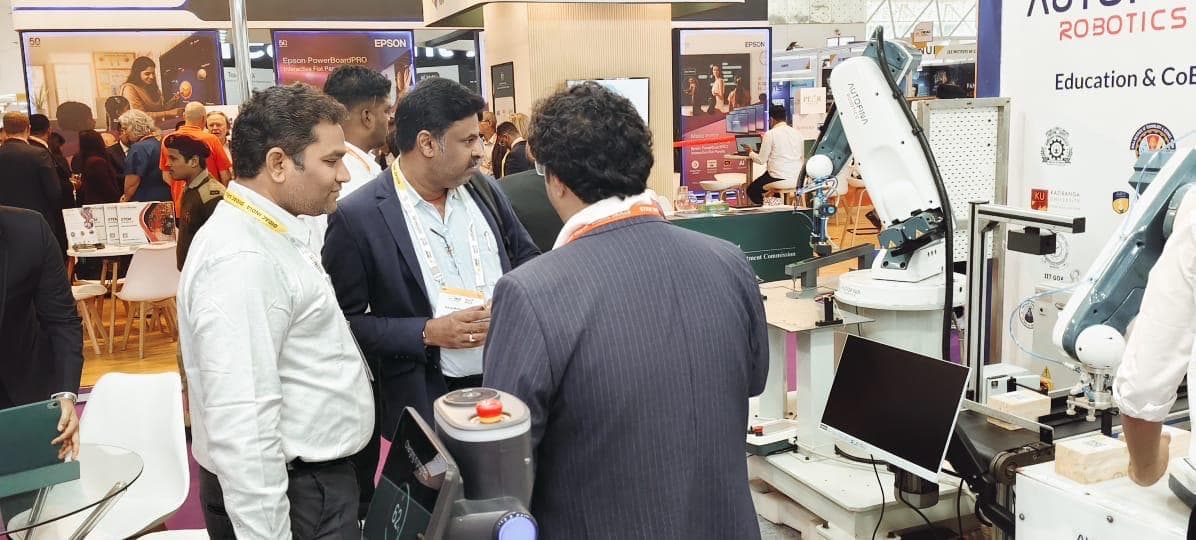
Focus: Industry Sponsored Lab
Focus: Industry Sponsored Lab
.fb9b27c1.jpeg&w=3840&q=75)
.196c6552.jpeg&w=3840&q=75)
.710c9274.jpeg&w=3840&q=75)
.e72d9356.jpeg&w=3840&q=75)
.e0bbdd89.jpeg&w=3840&q=75)
.6b4a1b78.jpeg&w=3840&q=75)
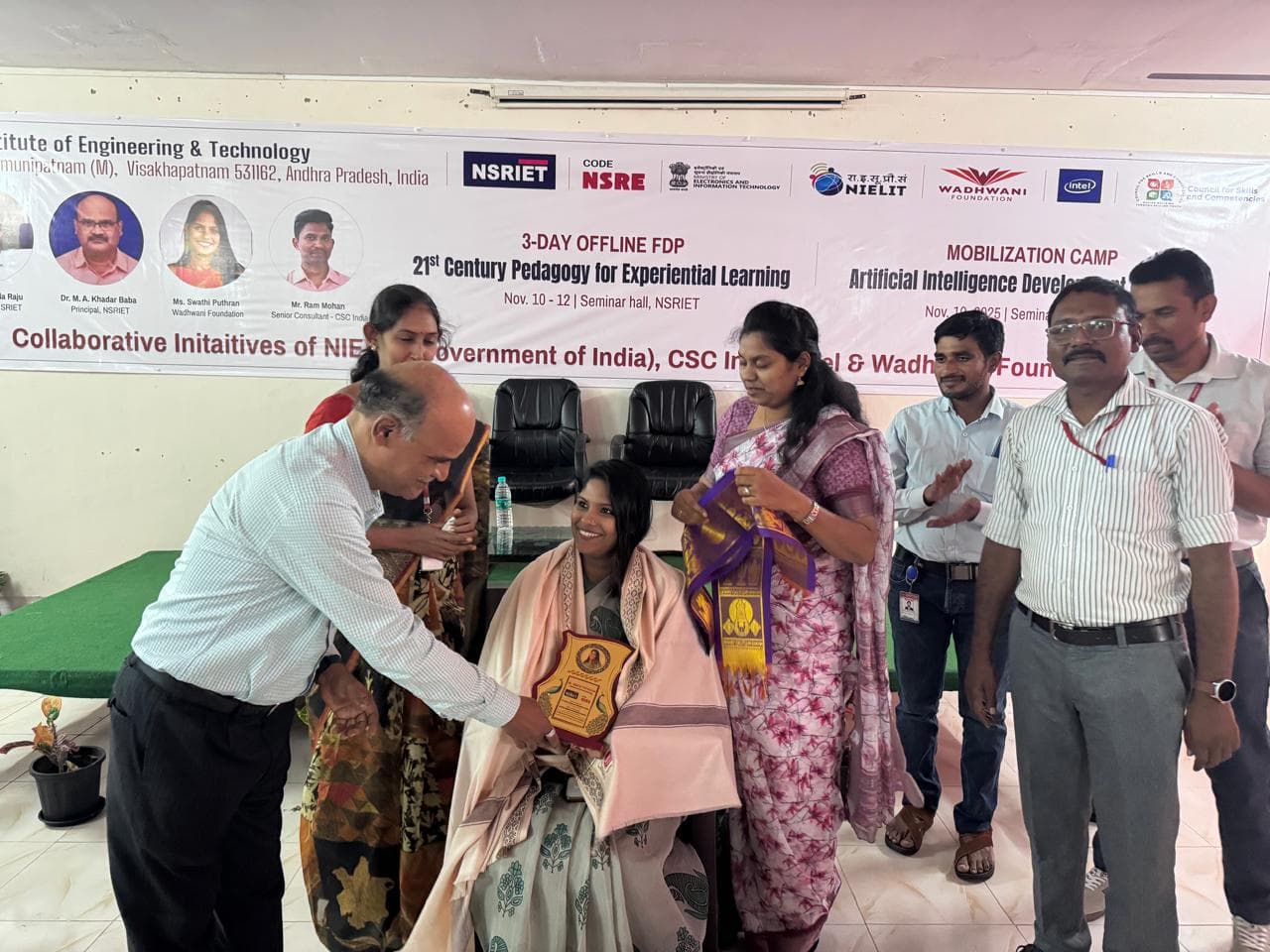
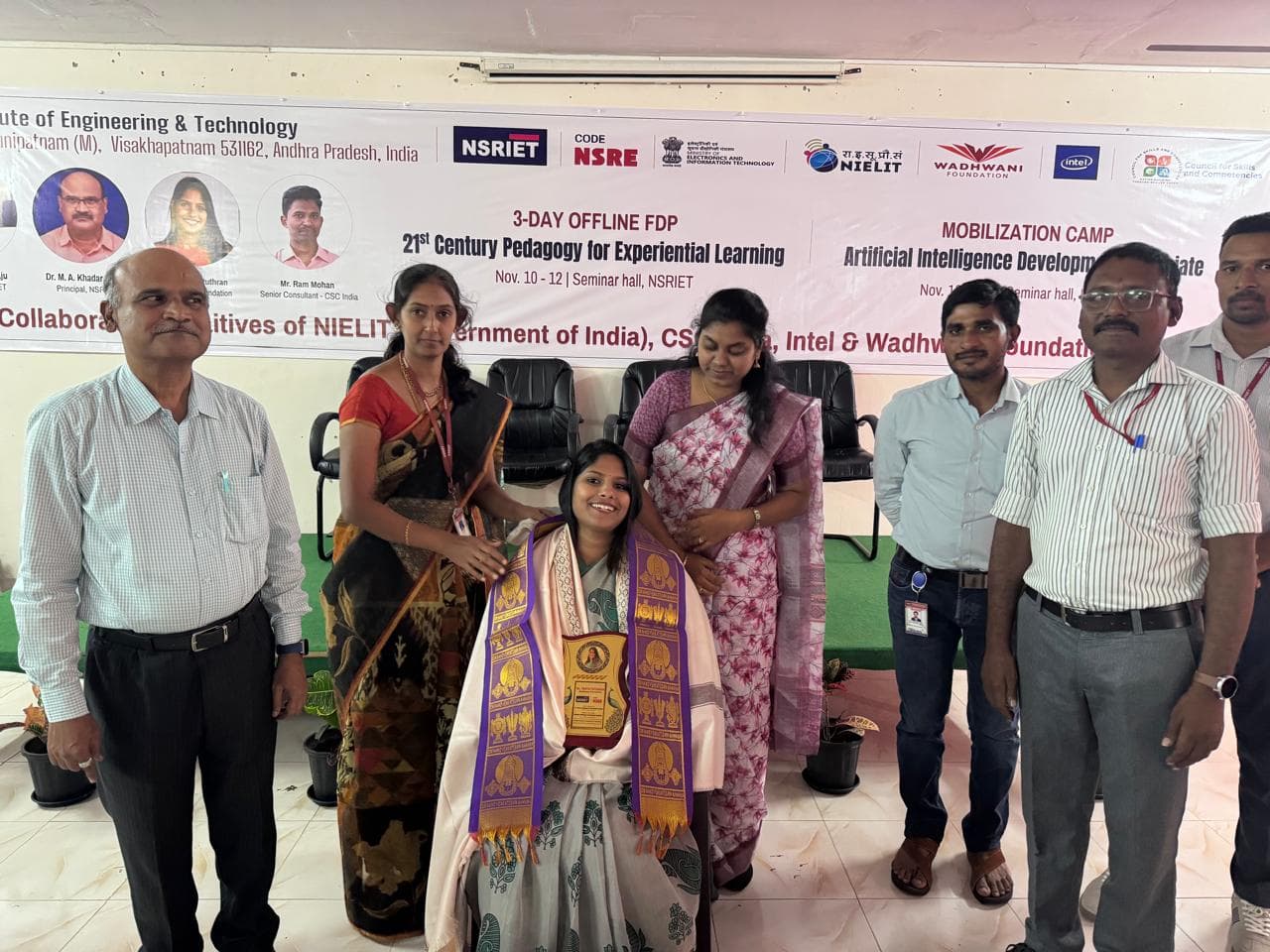
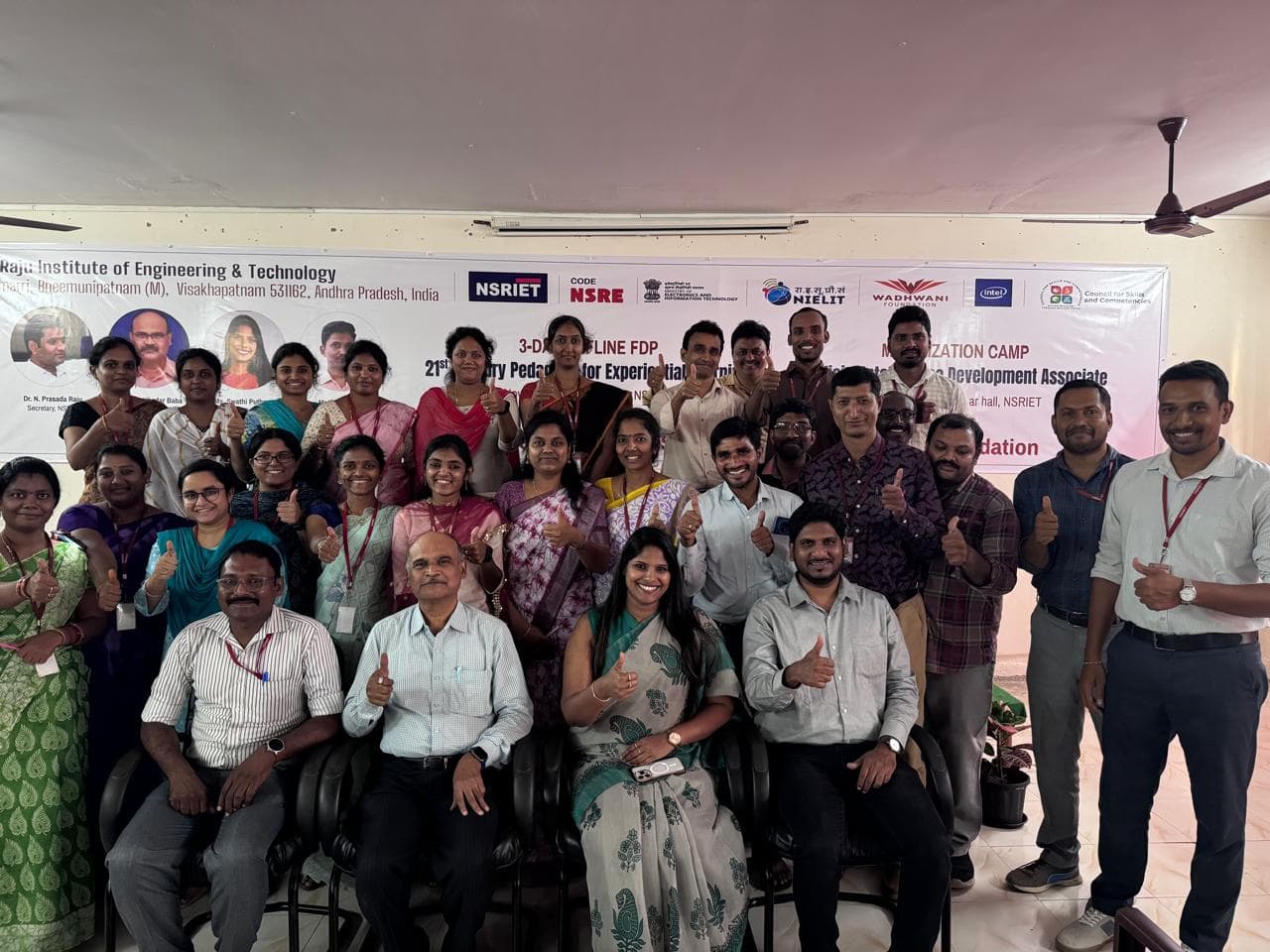
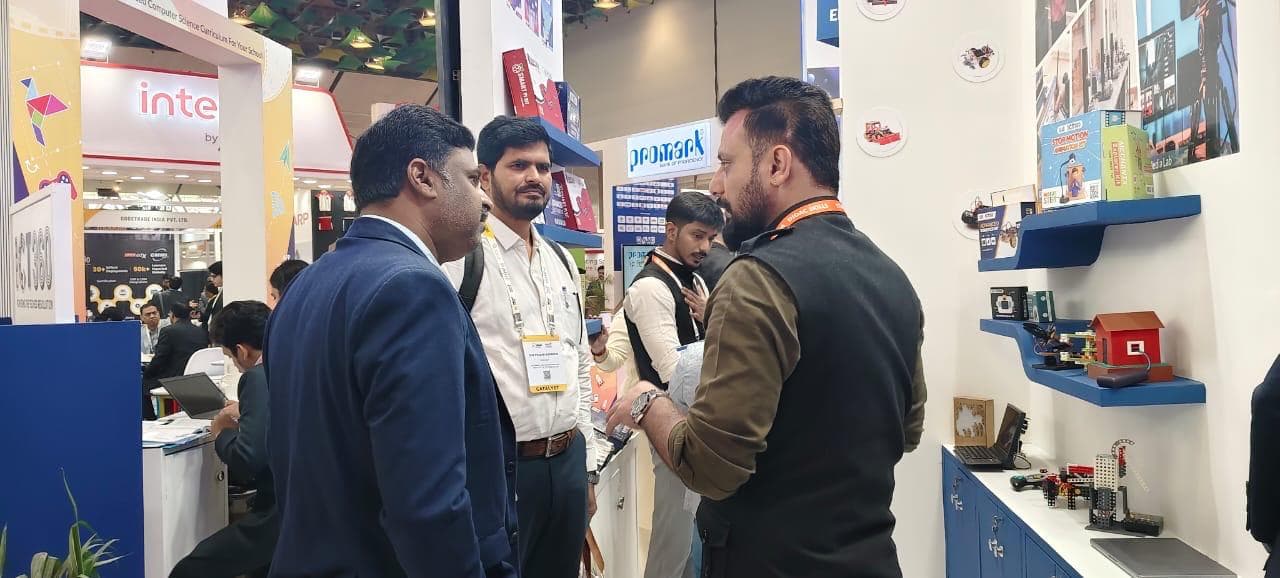
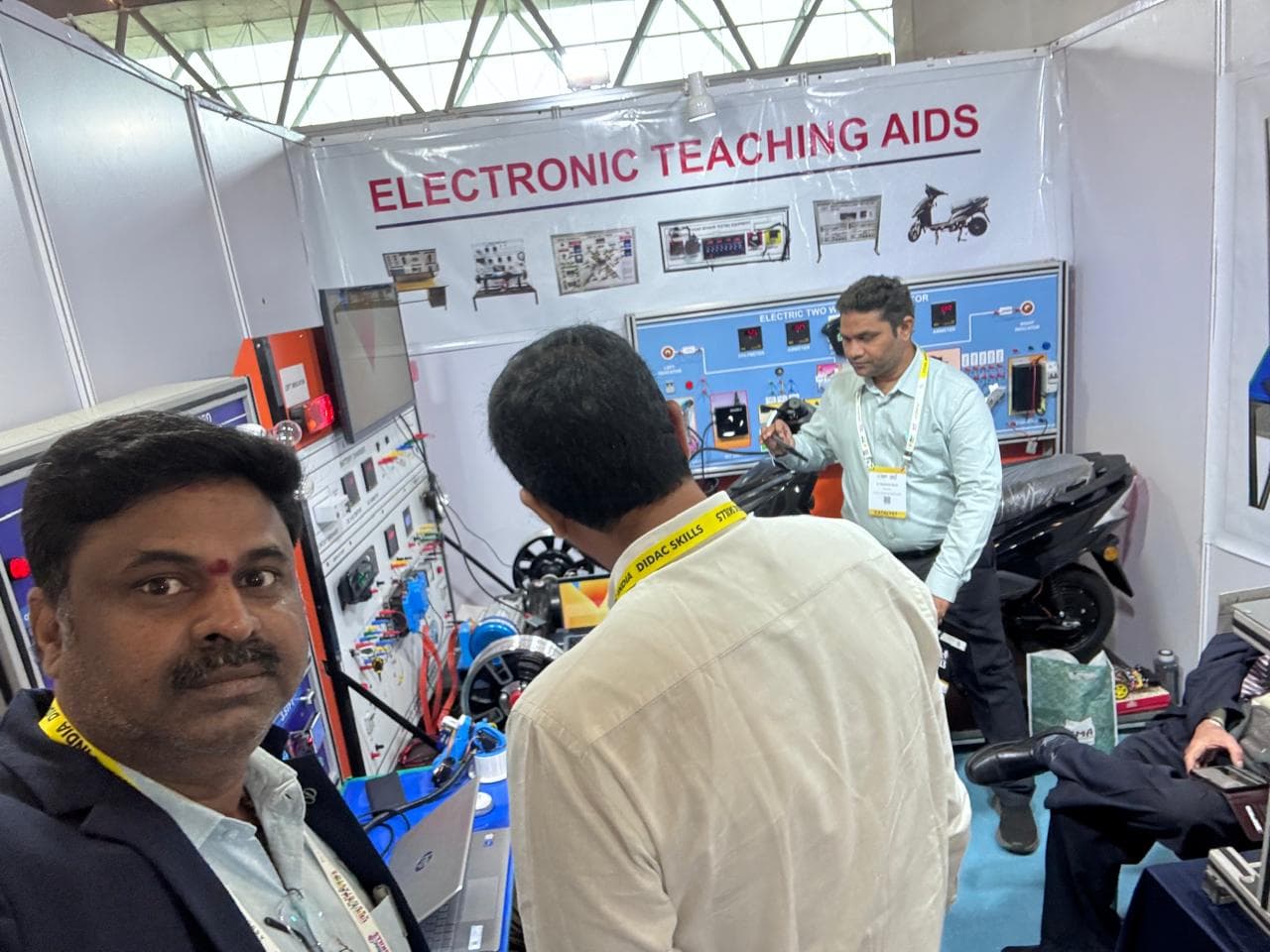
Annual FDPs on AI/ML, cloud and cybersecurity run with industry mentors, ensuring faculty stay ahead of emerging tech.
.af022875.jpeg&w=3840&q=75)
.8af2c73b.jpeg&w=3840&q=75)
.18974029.jpeg&w=3840&q=75)
.df17c0a3.jpeg&w=3840&q=75)
.f4cc0b6a.jpeg&w=3840&q=75)
.42445028.jpeg&w=3840&q=75)
.805bcb68.jpeg&w=3840&q=75)
.a77d314b.jpeg&w=3840&q=75)
.1cc167b0.jpeg&w=3840&q=75)
.dafa79cc.jpeg&w=3840&q=75)
.1cc167b0.jpeg&w=3840&q=75)
.dafa79cc.jpeg&w=3840&q=75)
.544339df.jpeg&w=3840&q=75)
.9771887a.jpeg&w=3840&q=75)
.b407c9a0.jpeg&w=3840&q=75)
.af55764f.jpeg&w=3840&q=75)
.cd083e9b.jpeg&w=3840&q=75)
.39f8d2a8.jpeg&w=3840&q=75)
.ffb9600a.jpeg&w=3840&q=75)
.544339df.jpeg&w=3840&q=75)
.c8cd252e.jpeg&w=3840&q=75)
.5e09f8bb.jpeg&w=3840&q=75)
.cd083e9b.jpeg&w=3840&q=75)
.c8cd252e.jpeg&w=3840&q=75)
.5e09f8bb.jpeg&w=3840&q=75)
.2936fb30.jpeg&w=3840&q=75)
.c729e6ad.jpeg&w=3840&q=75)
.5cea9b6d.jpeg&w=3840&q=75)
.7c5ef2a5.jpeg&w=3840&q=75)
.6fe04329.jpeg&w=3840&q=75)
.287389fe.jpeg&w=3840&q=75)
.35e268a5.jpeg&w=3840&q=75)
.35e268a5.jpeg&w=3840&q=75)
.df17c0a3.jpeg&w=3840&q=75)
.0cf0cd33.jpeg&w=3840&q=75)
.af55764f.jpeg&w=3840&q=75)
.28ab42cf.jpeg&w=3840&q=75)
.a77d314b.jpeg&w=3840&q=75)
.0a0a6b0c.jpeg&w=3840&q=75)
.7c76f0db.jpeg&w=3840&q=75)
.4a532730.jpeg&w=3840&q=75)
.0a0a6b0c.jpeg&w=3840&q=75)
.dc9b5401.jpeg&w=3840&q=75)
.dc9b5401.jpeg&w=3840&q=75)
.7a158153.jpeg&w=3840&q=75)
.6a64084b.jpeg&w=3840&q=75)
.4402cc7f.jpeg&w=3840&q=75)
.23e96788.jpeg&w=3840&q=75)
.cddfb453.jpeg&w=3840&q=75)
.cddfb453.jpeg&w=3840&q=75)
.5b61ea33.jpeg&w=3840&q=75)
.af022875.jpeg&w=3840&q=75)
.b7d34d69.jpeg&w=3840&q=75)
.287389fe.jpeg&w=3840&q=75)
.3e55268c.jpeg&w=3840&q=75)
.23e96788.jpeg&w=3840&q=75)
.8af2c73b.jpeg&w=3840&q=75)
.a5312636.jpeg&w=3840&q=75)
.bfa33638.jpeg&w=3840&q=75)
.3638ed8c.jpeg&w=3840&q=75)
.3e55268c.jpeg&w=3840&q=75)
.07ea481d.jpeg&w=3840&q=75)
.8febc0e8.jpeg&w=3840&q=75)
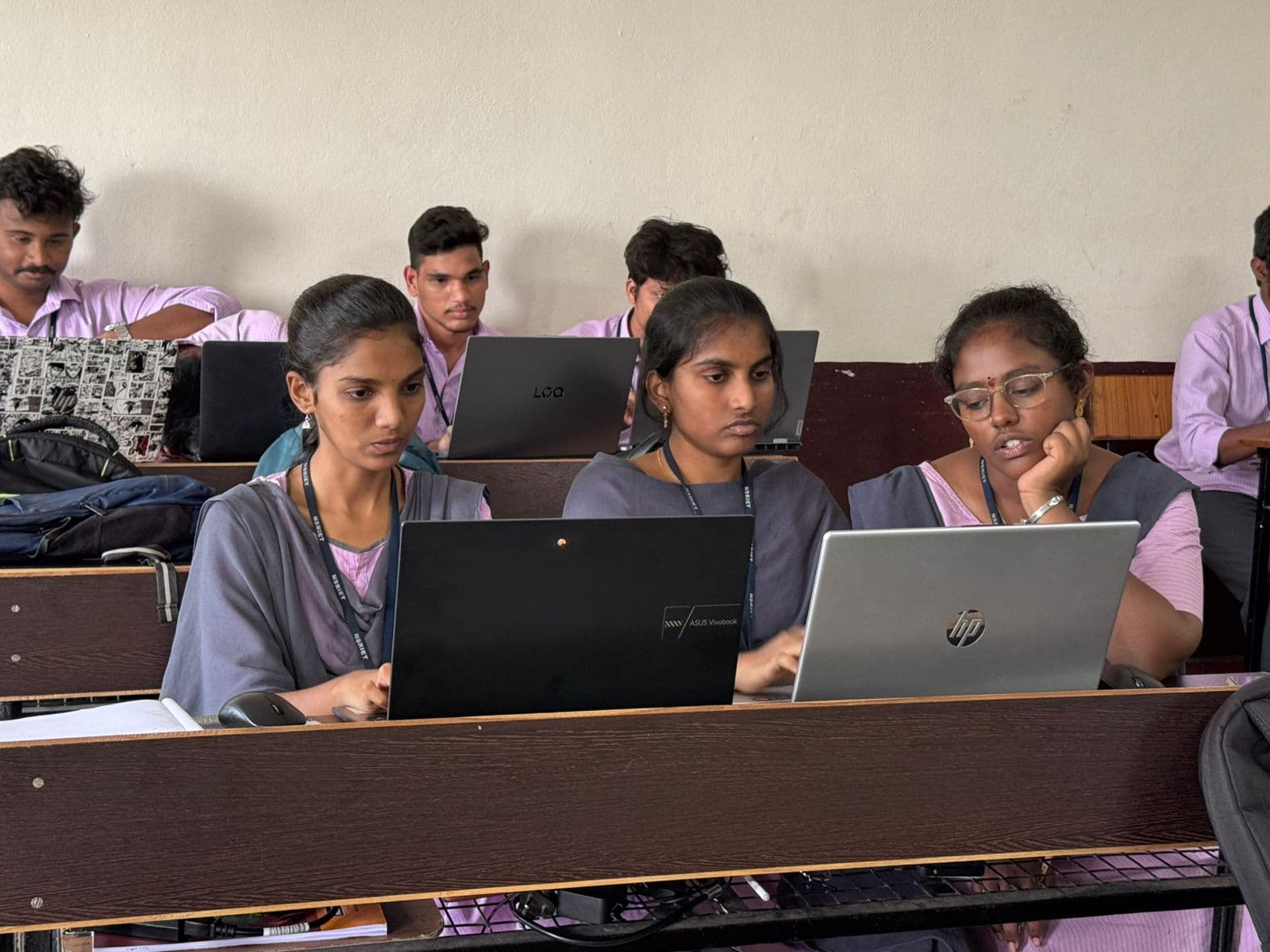
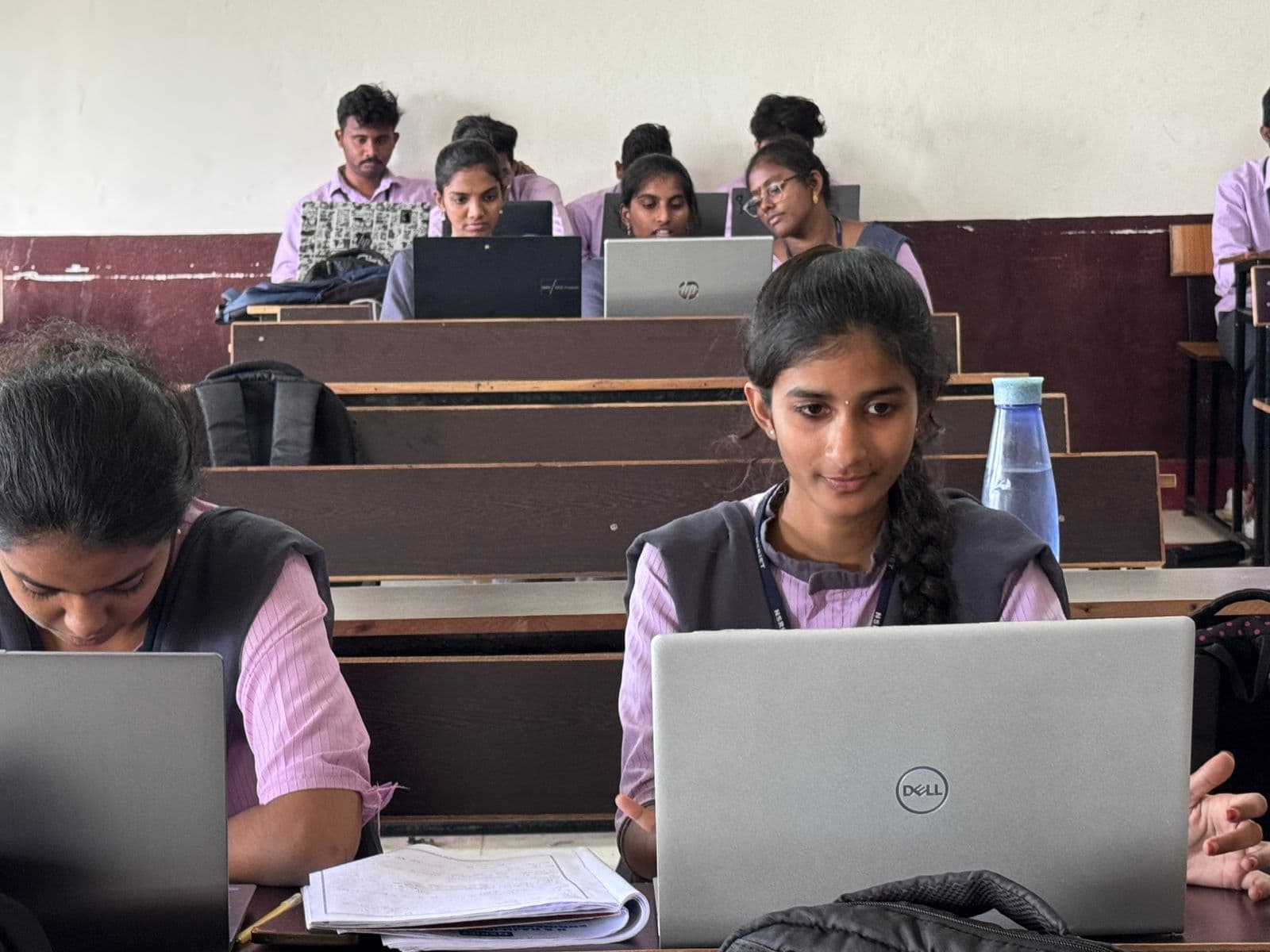
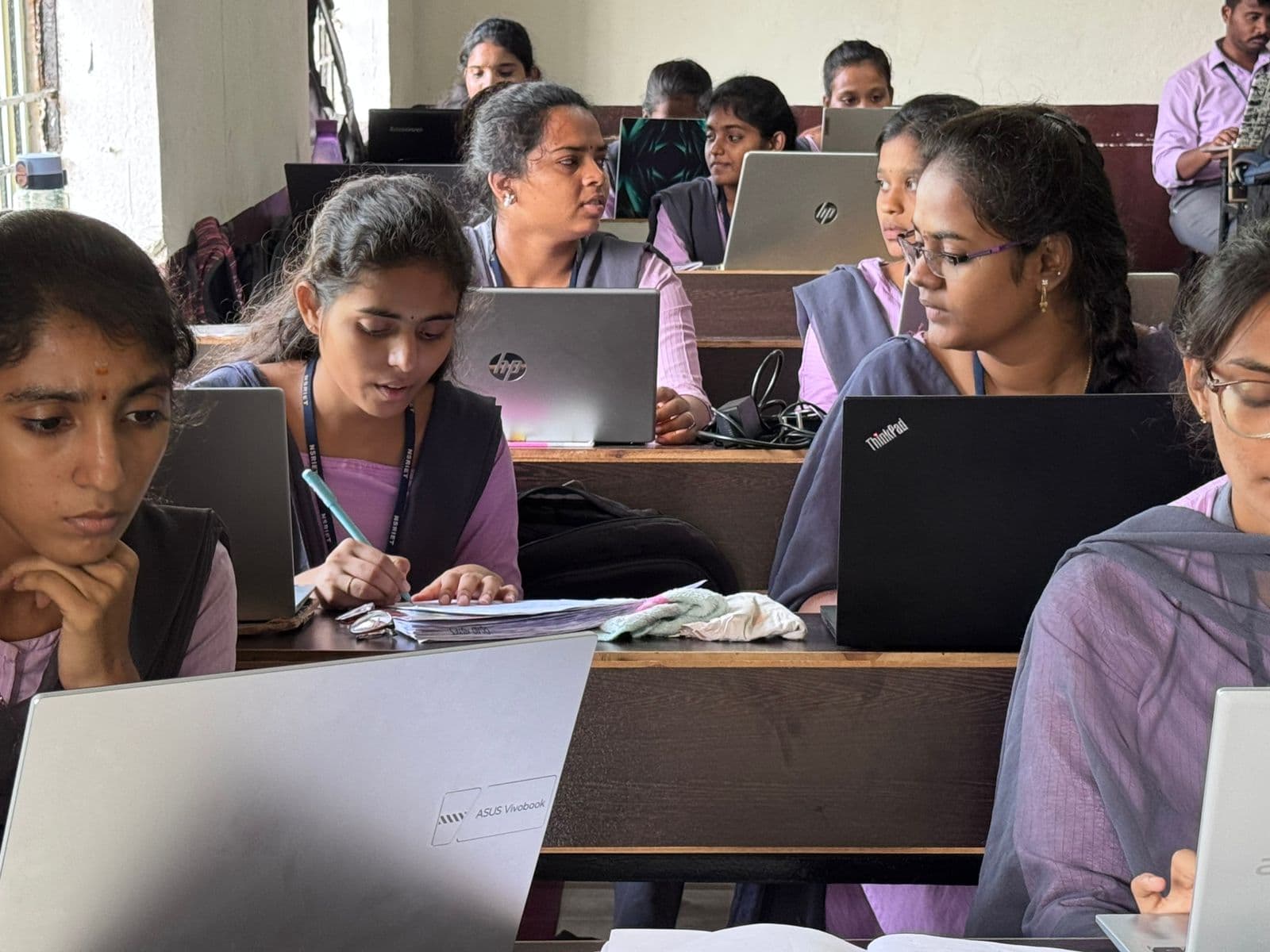
Four-week immersion where student-faculty squads ship prototypes for partner companies using agile methods.
Bi-semester showcases featuring student products, patent pitches, and investor feedback rounds.
.35379fae.jpeg&w=3840&q=75)
.10c093f8.jpeg&w=3840&q=75)
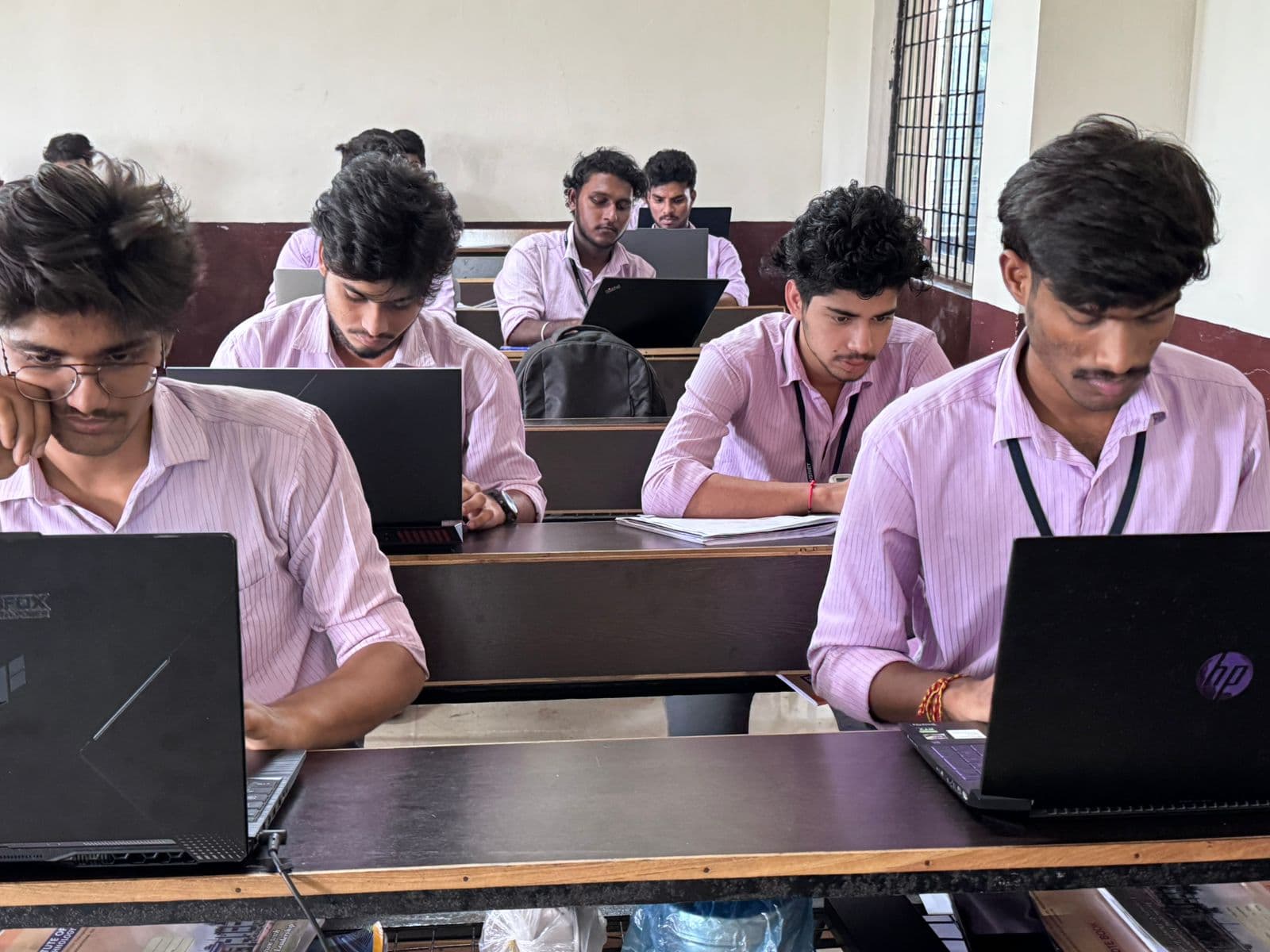
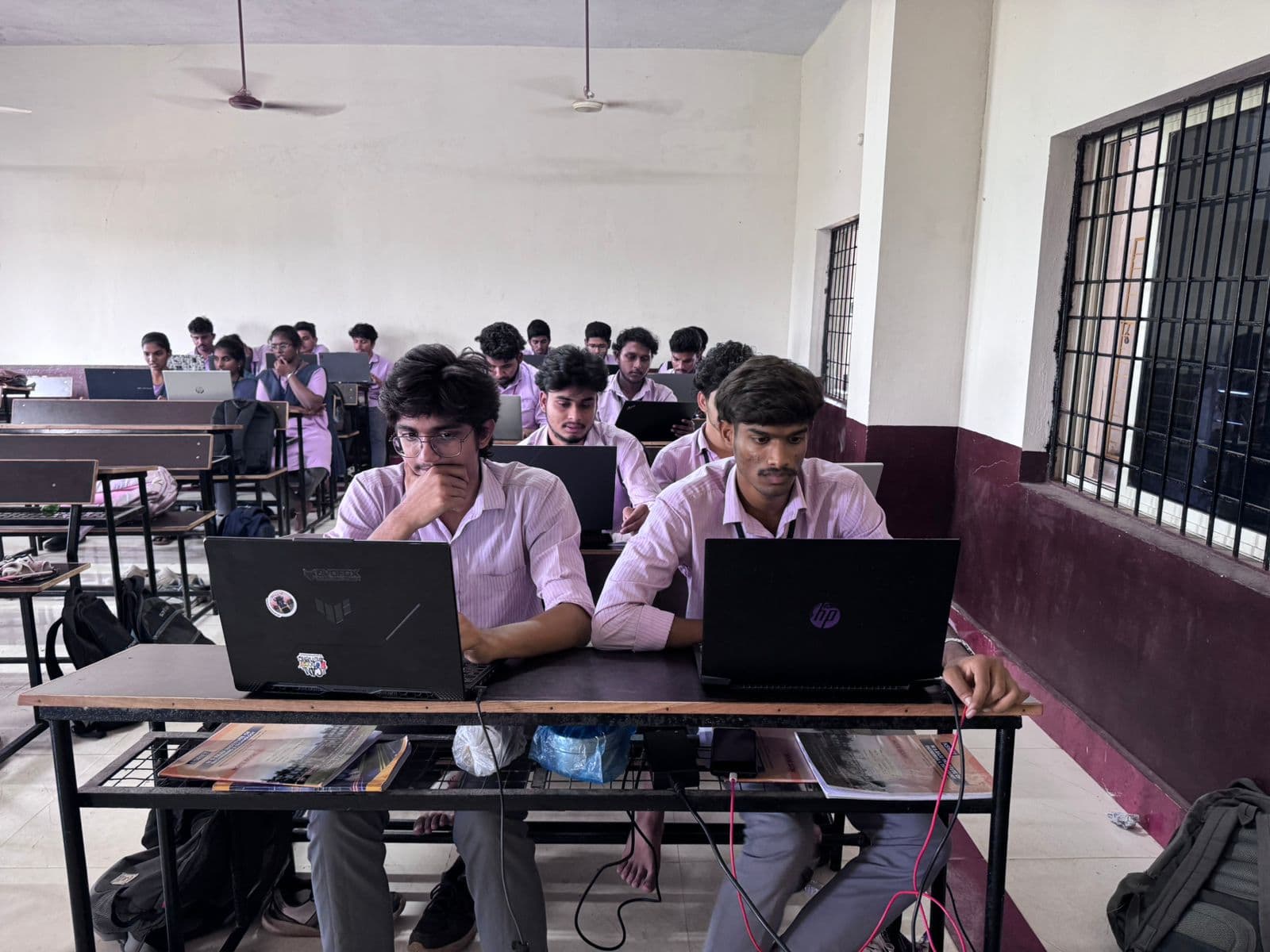
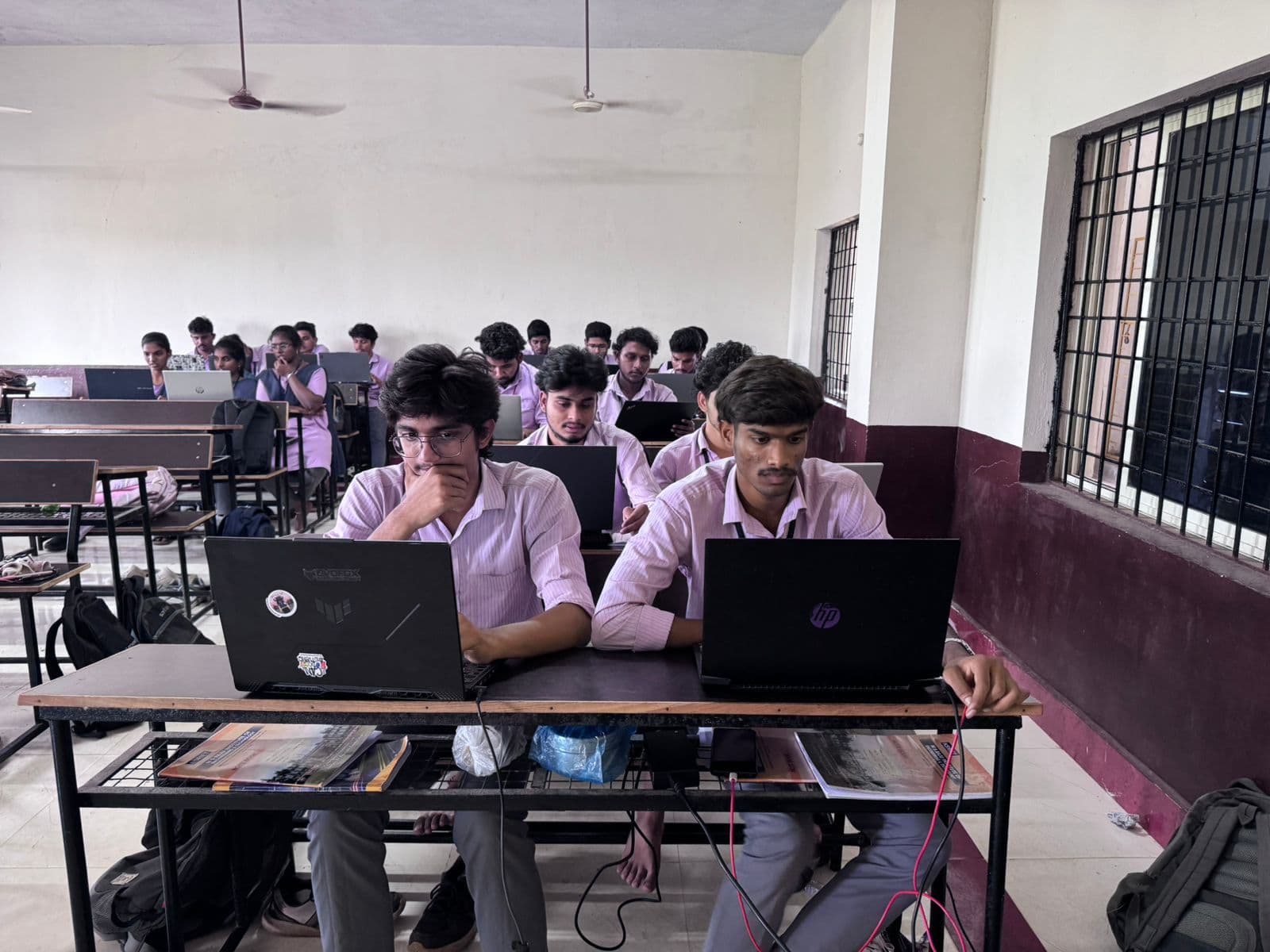
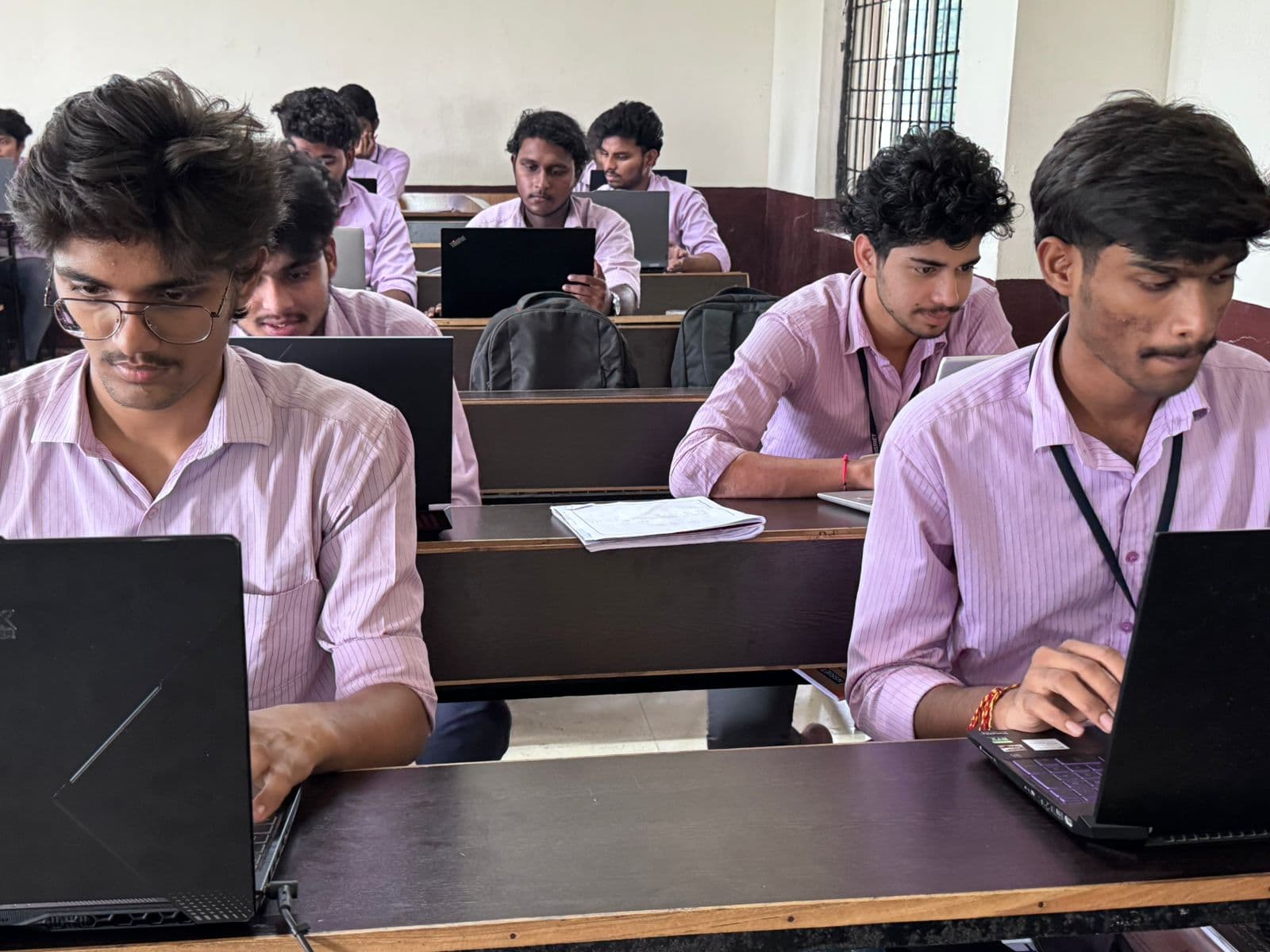
Community-of-practice circles where learners exchange toolkits, code recipes, and research insights.
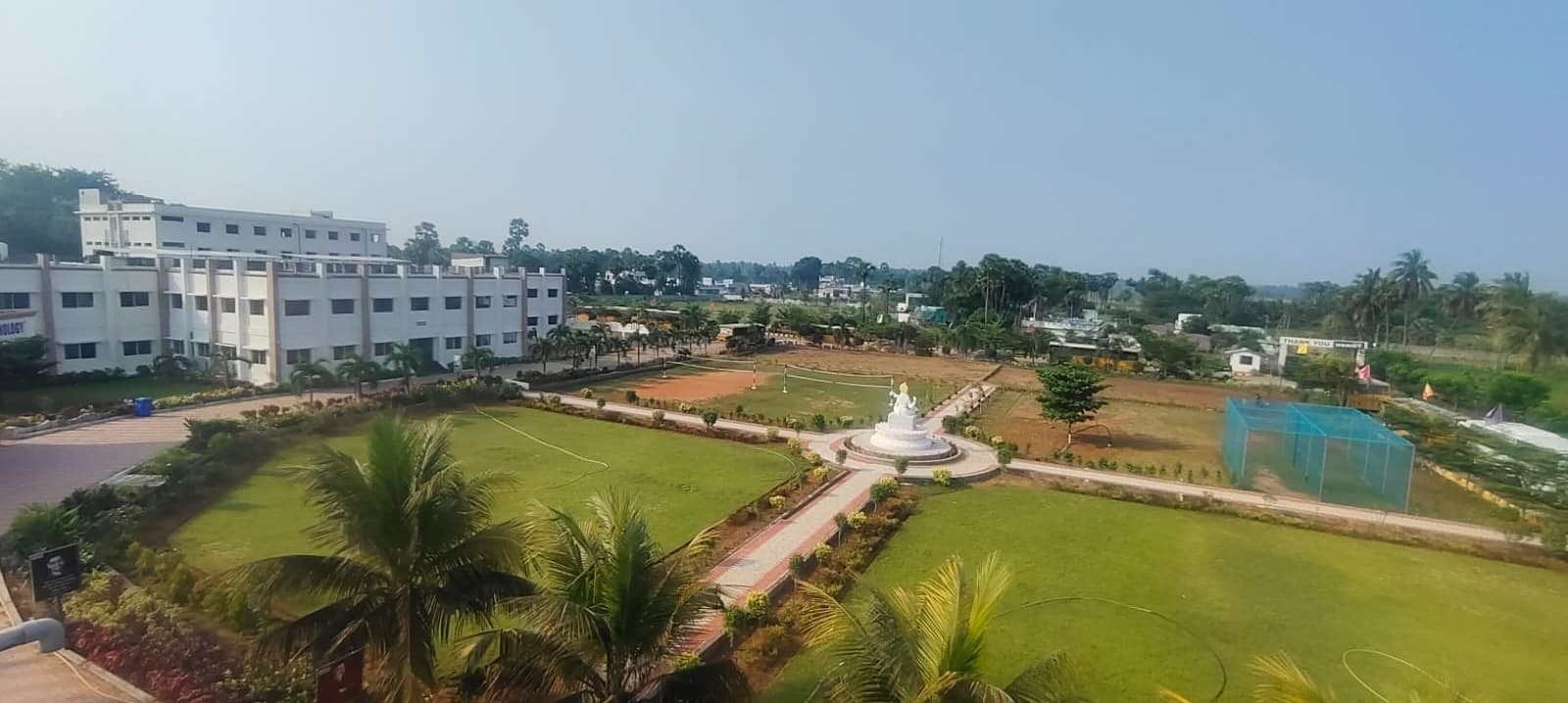
Hands-on R & D sprint where faculty prototype tools alongside industry mentors.
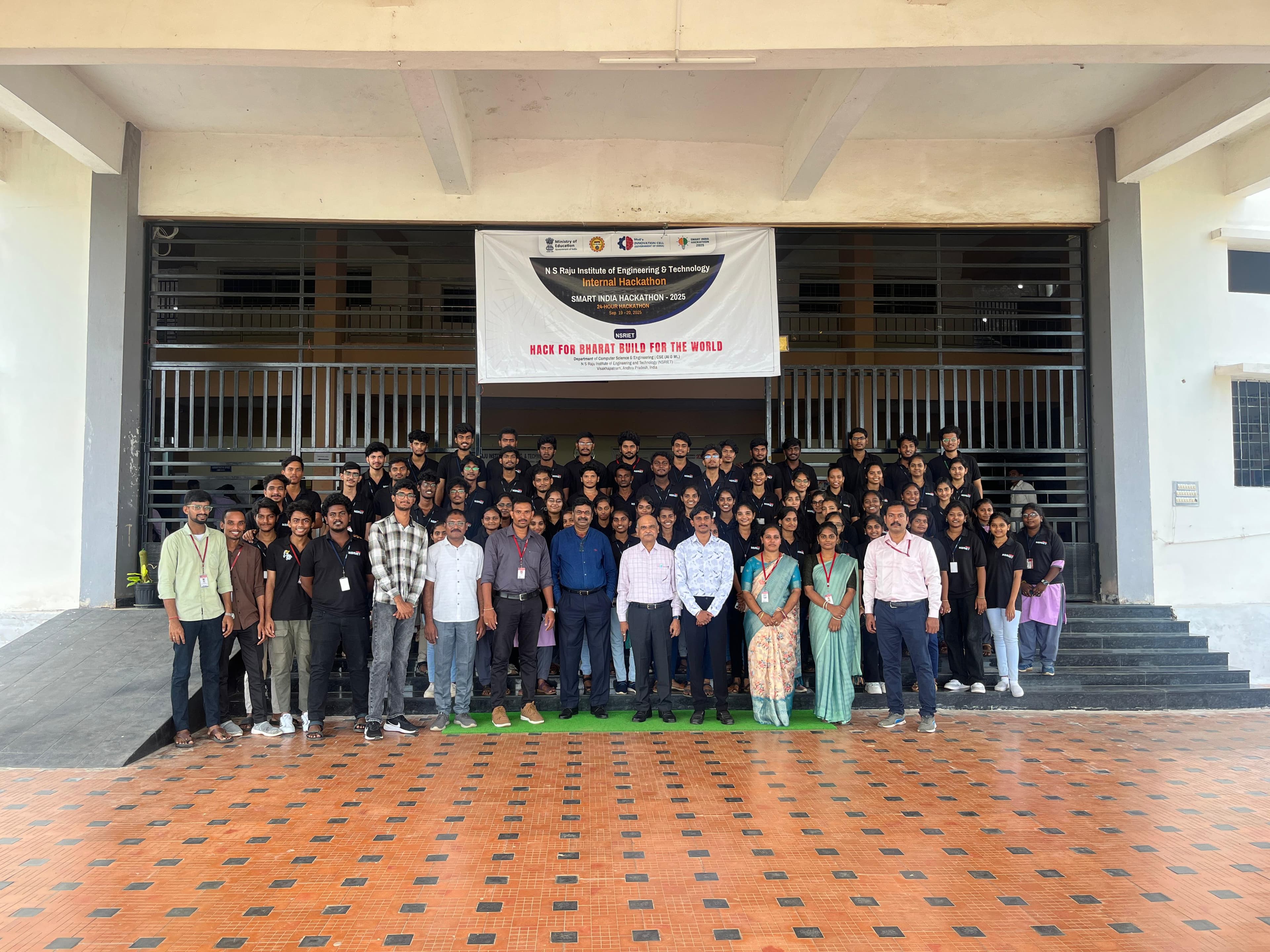
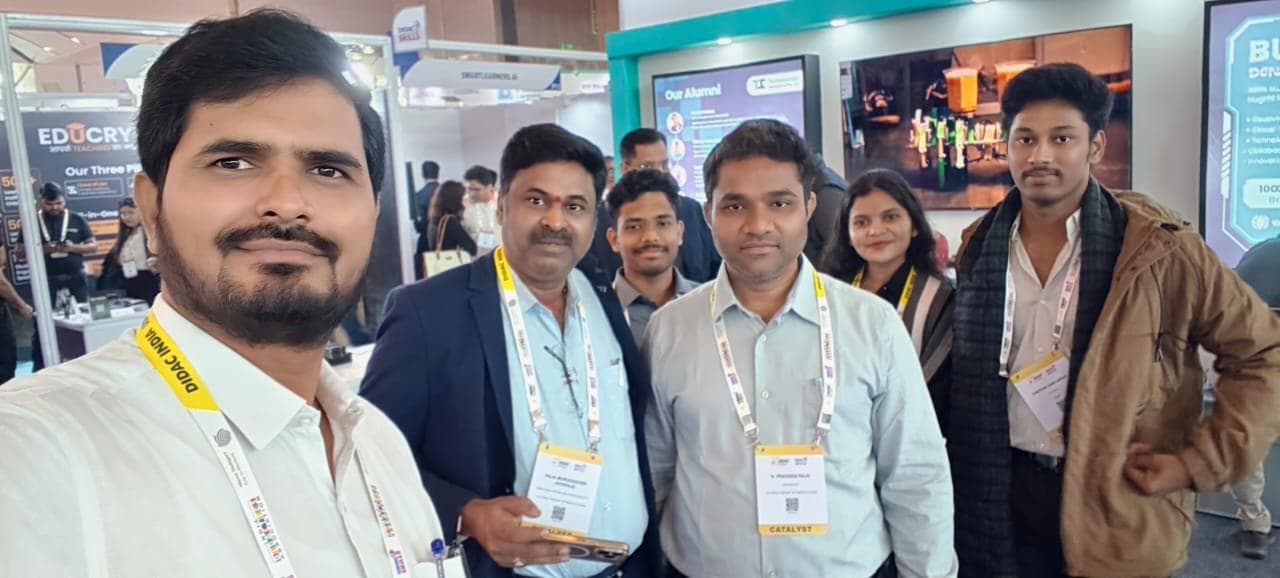
Smart India Hackathon finalists representing NSRIET on the national stage.


